
The solution to your child’s summer heat rash isn’t just about breathability; it’s about choosing dermo-compatible fabrics that actively manage their skin’s micro-climate.
- Organic cotton absorbs sweat away from the skin, unlike polyester which traps it and triggers irritation.
- Proper washing (cold water, gentle cycle) and understanding labels (GOTS vs. Oeko-Tex) are crucial for maintaining skin-safe properties.
Recommendation: Build a summer wardrobe based on fabric weight (TOG) and minimal processing (unbleached) to create a protective barrier against eczema flare-ups.
That familiar summer scene: your child runs through the garden, full of energy, only to end the day with red, itchy patches of heat rash under their clothes. As a parent, you’ve likely tried the standard advice—dressing them in lighter colors or avoiding heavy layers. You’ve been told that cotton is “good” and synthetics are “bad,” but the problem often persists, leaving you frustrated. This is because most advice focuses on the fabric, not the skin science.
The conventional wisdom misses a critical point. The key to preventing summer skin irritation isn’t just about letting air in; it’s about actively managing the moisture and heat directly on the skin’s surface. This is the concept of the skin micro-climate. When this delicate environment is disrupted by the wrong materials, it creates a perfect storm for conditions like heat rash, friction dermatitis, and eczema flare-ups. Synthetic fabrics are often the primary culprit, creating an occlusive effect that traps sweat against the skin.
But what if you could approach your child’s wardrobe as an extension of their skincare? This guide adopts the perspective of a textile dermatologist to move beyond platitudes. We will explore why organic cotton, despite its slower drying time, is functionally superior for sensitive skin. We will decode a fabric’s true skin-friendliness, from washing protocols that preserve its integrity to reading certification labels. This is your blueprint for creating a dermo-compatible wardrobe that doesn’t just cover your child’s skin but actively protects it.
This article provides a structured path to understanding and selecting the best fabrics for your child’s sensitive skin. Below is a summary of the topics we will cover to help you build a truly rash-free summer wardrobe.
Summary: The Dermatologist’s Guide to Keeping Active Kids Cool and Rash-Free with Organic Cotton
- Why Cotton Is Better Than Polyester for Sensitive Skin Despite Drying Slower?
- How to Wash Organic Cotton Without Shrinking It to Doll Size?
- Softness Test: Can You Really Feel the Difference With Organic?
- The “New Clothes” Mistake: Why You Must Wash Before Wearing?
- When to Switch Togs: Choosing the Right Cotton Weight for Bedtime
- How to Read a GOTS Label vs. Oeko-Tex Standard 100?
- Unbleached vs. White Cotton: Which Is Safer for Flare-Ups?
- How to Build a Wardrobe That Won’t Trigger Your Child’s Eczema?
Why Cotton Is Better Than Polyester for Sensitive Skin Despite Drying Slower?
The primary function of summer clothing for sensitive skin is not just to feel light, but to manage sweat. This is where the fundamental difference between cotton and polyester becomes a critical dermatological issue. Polyester, a synthetic plastic-based fiber, is hydrophobic, meaning it repels water. When your child sweats, polyester doesn’t absorb the moisture. Instead, it traps it between the fabric and the skin, creating a warm, damp environment—the perfect breeding ground for heat rash and irritation. This is known as the occlusive effect, essentially sealing the skin and disrupting its natural ability to regulate temperature.
In contrast, cotton is a hydrophilic fiber; it loves water. It actively pulls moisture away from the skin and absorbs it into its fibers, allowing the skin to breathe and remain relatively dry. While it’s true that cotton takes longer to dry than polyester, this “disadvantage” is precisely its strength from a skin-health perspective. It prioritizes the comfort of the skin’s surface over the rapid drying of the garment itself. For a child prone to eczema or heat rash, removing sweat from the skin is far more important than the fabric drying quickly. Polyester’s dominance, making up over 52% of global fiber consumption, means it’s common in activewear, but it is often a poor choice for sensitive individuals.
The impact of choosing a dermo-compatible fabric is measurable. A case study of a German sportswear manufacturer provides clear evidence: after replacing standard polyester with OEKO-TEX® certified yarns, they saw a 40% drop in customer complaints related to itching or heat rash within the first year. This highlights that the material choice directly influences skin comfort and health, making cotton the superior clinical option for preventing flare-ups.
How to Wash Organic Cotton Without Shrinking It to Doll Size?
The fear of shrinking a beautiful organic cotton garment is a common concern for parents. However, shrinkage is not inevitable; it’s a result of heat and mechanical stress causing the tension in the cotton fibers to release. By adopting a science-based washing protocol, you can preserve the size, softness, and integrity of the fabric, ensuring it remains dermo-compatible wash after wash.
The number one rule is to avoid heat. Always wash organic cotton in cold water. Hot water is the primary catalyst for shrinkage. Secondly, minimize mechanical stress. Use a gentle, low-spin cycle to prevent the fabric’s weave from being pulled and distorted. It’s also vital to choose your detergent wisely. Harsh chemicals, bleach, and fabric softeners can degrade the natural fibers, making them rougher over time and stripping them of their inherent softness. Opt for a mild, fragrance-free detergent designed for sensitive skin.
Drying is just as important as washing. The high, dry heat of a machine dryer is another major cause of shrinkage. The best method is to air-dry the garment, either by laying it flat on a clean surface or hanging it on a line. This allows the fibers to relax and dry gradually without aggressive tension release. If you must use a dryer, choose the lowest possible heat setting and remove the garment while it is still slightly damp to air-dry the rest of the way. If cotton becomes stiff from mineral buildup in hard water, a pre-soak in a solution of one cup of white vinegar per gallon of water can help restore its softness.
Softness Test: Can You Really Feel the Difference With Organic?
The term “organic” often evokes a sense of superior quality, but can you truly feel the difference in softness compared to conventional cotton or synthetics? The answer is a definitive yes, both immediately and, more importantly, over time. The tactile difference stems from the harvesting and processing methods. Organic cotton is typically hand-picked, which preserves the integrity of the fibers, keeping them longer and smoother. Conventional cotton is often machine-harvested, which can break and damage the fibers, resulting in a coarser texture.
Furthermore, conventional cotton is treated with numerous harsh chemicals during processing—pesticides, chlorine bleach, and formaldehyde-based sizing agents. These residues can remain in the final product, creating a stiffer, less pliable fabric that can irritate sensitive skin. Organic cotton, by contrast, is processed with gentler, natural alternatives. This lack of chemical harshness results in a fabric that is not only purer but also inherently softer to the touch. This perceived softness and safety are why a 2024 survey found that 68% of parents show a preference for textiles certified for safety, like those with an Oeko-Tex label.
The following table breaks down the key comfort properties for sensitive skin, illustrating why organic cotton consistently outperforms its counterparts.
| Property | Organic Cotton | Conventional Cotton | Polyester |
|---|---|---|---|
| Breathability | Excellent – natural fibers allow air circulation | Good – but may have chemical residues | Poor – traps heat and moisture |
| Moisture Management | Absorbs and wicks naturally | Absorbs but slower release | Repels moisture, can feel clammy |
| Hypoallergenic | Yes – no pesticides or chemicals | Variable – depends on processing | No – can trap allergens |
| Texture Over Time | Gets softer with each wash | May become rough | Maintains but can pill |
| Temperature Feel | Cool to touch | Neutral | Can feel warm/synthetic |
Perhaps the most compelling characteristic of organic cotton is that it gets softer with each wash. As the fibers relax and shed any minimal processing aids, the fabric “blooms” and becomes even more gentle against the skin, making it a long-term investment in your child’s comfort.
The “New Clothes” Mistake: Why You Must Wash Before Wearing?
It’s tempting to let your child wear a brand-new outfit straight from the store, especially when it’s made of soft organic cotton. However, skipping the first wash is a common mistake with both dermatological and functional consequences. From a skin-health perspective, even certified organic clothes can carry residues from the manufacturing process. These can include natural sizing agents used to stiffen the fabric for cutting and sewing, as well as dust and particles accumulated during transport and storage. For a child with highly reactive skin, these substances can be enough to trigger a flare-up.
Beyond removing surface irritants, the first wash serves a crucial functional purpose: it activates the cotton’s absorbency. Fresh-from-the-loom cotton fibers are coated in natural waxes, which can make them slightly water-repellent. The initial wash helps to remove this waxy coating, “opening up” the fibers and unlocking their full hydrophilic potential. Studies confirm that organic cotton’s moisture absorption capabilities are significantly enhanced after the first wash. This allows the fabric to effectively pull sweat and moisture away from the skin and let it evaporate, which is the primary mechanism for preventing heat rash.
In contrast, synthetic fibers like polyester and nylon are inherently hydrophobic and repel water, which is why they feel clammy when you sweat. Washing them doesn’t change this core property. Therefore, the pre-wear wash is a unique and vital step for natural fibers like cotton. Adding half a cup of white vinegar to this first wash cycle can be particularly effective at breaking down and removing any lingering sizing agents, ensuring the garment is in its softest, most absorbent, and most skin-safe state before it ever touches your child.
When to Switch Togs: Choosing the Right Cotton Weight for Bedtime
A comfortable night’s sleep is essential for skin repair, but overheating is a major trigger for nighttime itching and eczema flare-ups. The key to managing your child’s thermal comfort during sleep is understanding fabric weight, often measured in TOG (Thermal Overall Grade). Choosing the right cotton weight for the room temperature ensures your child stays warm enough without sweating, maintaining a stable skin micro-climate throughout the night.
For peak summer heat, especially in humid climates or rooms without air conditioning, a very lightweight cotton is necessary. A 0.5 TOG rating, typically found in fabrics like muslin or voile, offers maximum breathability. These fabrics have a loose, open weave that allows for constant airflow. As temperatures cool slightly on standard summer nights, a 1.0 TOG jersey knit provides a bit more substance while remaining highly breathable. This is the most common weight for summer pajamas.
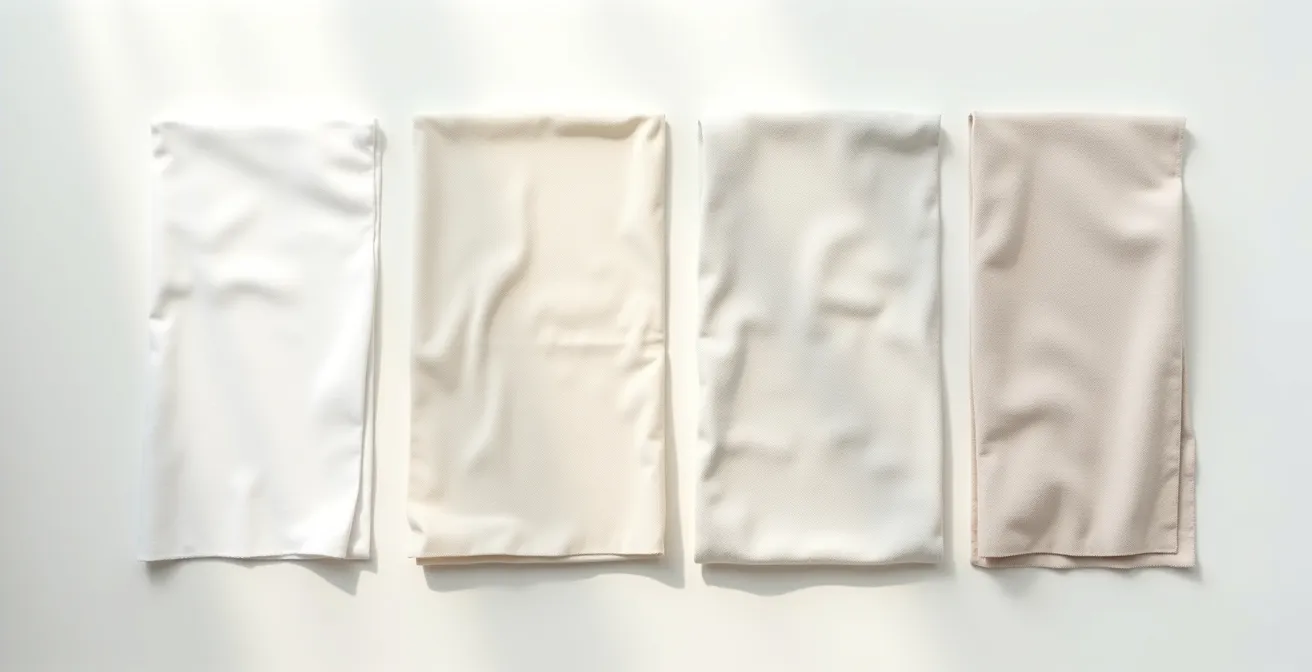
For cooler evenings or in rooms with aggressive air conditioning, you may need to step up the weight. An interlock cotton (around 1.5 TOG) is a double-knit fabric that is thicker and warmer than jersey, offering more insulation. For rooms that get quite cool (below 61°F / 16°C), a 2.5 TOG fabric like French Terry, which has soft loops on the inside for trapping air, provides substantial warmth without the occlusive properties of synthetic fleece. The following table provides a clear guide for matching cotton type to temperature.
| Temperature Range | TOG Rating | Cotton Type | Best For |
|---|---|---|---|
| 75°F+ (24°C+) | 0.5 TOG | Muslin/Voile | Peak summer heat, high humidity |
| 68-75°F (20-24°C) | 1.0 TOG | Jersey knit | Standard summer nights |
| 61-68°F (16-20°C) | 1.5 TOG | Interlock cotton | Cool summer evenings |
| Below 61°F (16°C) | 2.5 TOG | French Terry | Air-conditioned rooms |
How to Read a GOTS Label vs. Oeko-Tex Standard 100?
When shopping for dermo-compatible clothing, you will frequently encounter two key labels: GOTS (Global Organic Textile Standard) and Oeko-Tex Standard 100. While both signify a safer product, they certify very different things. Understanding the distinction is crucial for making the most informed choice for your child’s skin. Think of it this way: GOTS certifies the organic process, while Oeko-Tex certifies the final product’s safety.
The GOTS label is a comprehensive certification that covers the entire supply chain. To be GOTS certified, a product must contain a minimum of 70% certified organic fibers. The standard also forbids the use of harmful chemicals like chlorine bleach, formaldehyde, and toxic heavy metals throughout production. Crucially, GOTS includes social criteria, ensuring fair labor practices. When you see a GOTS label, you are getting a guarantee of organic integrity from farm to finished garment.
The Oeko-Tex Standard 100, on the other hand, focuses exclusively on product safety. It tests the finished garment for a long list of harmful substances. If a piece of clothing carries this label, it means it is free from these chemicals at levels that could be harmful to human health. However, an Oeko-Tex label does not mean the product is organic. A polyester shirt can be Oeko-Tex certified if it’s free of harmful residues, but it will still have the occlusive, sweat-trapping properties that can irritate sensitive skin. The growing consumer demand for such safety assurances is clear, as the global OEKO-TEX certified textiles market is projected to grow at a 6.5% CAGR between 2024 and 2030. For maximum assurance, look for products that carry both labels.
Your Action Plan: Decoding GOTS and Oeko-Tex Labels
- Check the Certification Number: A genuine label will have a number you can verify. GOTS includes a facility ID, while Oeko-Tex identifies the testing institute.
- Verify the Scope: Remember GOTS covers the entire organic supply chain, while Oeko-Tex only tests the final product for harmful substances.
- Assess Organic Content: Only GOTS guarantees organic content (minimum 70%). Oeko-Tex makes no claim about whether the fibers are organic or conventionally grown.
- Compare Chemical Restrictions: GOTS bans more substances throughout the entire production process, whereas Oeko-Tex focuses on what remains in the finished item.
- Consider Social Criteria: If ethical production is important to you, GOTS is the only one of the two that includes fair labor standards in its certification.
Unbleached vs. White Cotton: Which Is Safer for Flare-Ups?
When selecting cotton for extremely sensitive or eczema-prone skin, even the color can make a difference. The choice between natural, unbleached cotton and crisp white cotton comes down to the level of chemical processing involved. For the most reactive skin, less is always more. Unbleached cotton, also known as ecru, is the safest choice as it has undergone the least amount of processing.
Unbleached cotton retains its natural, off-white color because it has not been subjected to any whitening processes. This means it is free from the chemicals typically used for bleaching, such as chlorine or hydrogen peroxide. It also retains more of its natural waxes, which can contribute to a softer feel. This minimalist approach makes it the most dermo-compatible option available.
If a true white is preferred, look for cotton that is certified GOTS white. This means it has been bleached using a safer, oxygen-based process (with hydrogen peroxide) rather than harsh chlorine bleach. Conventional chlorine bleaching can create dioxin by-products, which are known irritants and are strictly forbidden under GOTS. The most problematic whites are “optical whites,” which use chemical brighteners to create an ultra-bright, almost bluish-white appearance. These synthetic additives sit on the surface of the fabric and can easily trigger skin reactions. A recent clinical trial underscored the benefits of natural fibers, finding that skin hydration was significantly higher after just three weeks of wearing cotton pajamas compared to polyester, indicating a healthier skin barrier function and reduced inflammation.
| Cotton Type | Processing Method | Chemical Exposure | Best For |
|---|---|---|---|
| Unbleached/Ecru | No whitening process | None – retains natural waxes | Most sensitive skin (99.9% of cases) |
| GOTS White | Hydrogen peroxide bleaching | Minimal – oxygen-based only | Those preferring white, sensitive skin safe |
| Conventional White | Chlorine bleaching | High – dioxin by-products | Not recommended for sensitive skin |
| Optical White | Chemical brighteners added | Moderate – synthetic additives | Avoid for eczema-prone skin |
Key Takeaways
- Polyester creates an occlusive, sweat-trapping environment that is a primary trigger for heat rash.
- Organic cotton is hydrophilic, actively wicking moisture from the skin to maintain a balanced micro-climate.
- Always wash new garments in cold water with a gentle, fragrance-free detergent to remove residues and activate the fibers’ full potential.
How to Build a Wardrobe That Won’t Trigger Your Child’s Eczema?
Building a summer wardrobe that actively protects your child’s sensitive skin is about creating a curated “capsule” of dermo-compatible essentials. The goal is to have a versatile selection of items that are all safe, breathable, and comfortable, eliminating the daily guesswork and worry about triggering a flare-up. The foundation of this wardrobe should be 100% certified organic cotton in various weights.
Start with the base layers. Invest in at least five high-quality organic cotton jersey tees in light colors or ecru. These will be the workhorses of the wardrobe. For bottoms, choose two or three pairs of shorts or trousers made from a looser weave like muslin or poplin, preferably with soft, non-restrictive elastic waists to maximize airflow. A lightweight, long-sleeved poplin button-down shirt is a versatile piece that can provide sun protection without trapping heat.
Sleep and undergarments are non-negotiable areas for high-quality organic cotton. Have three sets of lightweight pajamas and a week’s supply of tagless organic cotton underwear. Tags can be a major source of friction dermatitis. While cotton is ideal for most situations, it’s wise to have a backup for days with excessive activity or sweating. A couple of pieces made from a bamboo-cotton blend can offer enhanced moisture-wicking properties for those specific occasions. Finally, don’t forget accessories: a wide-brimmed organic cotton sun hat is essential. By choosing organic, you’re also making a positive environmental choice, as studies show that producing organic cotton uses 91% less water than conventional cotton.
Begin building a dermo-compatible wardrobe for your child today by prioritizing certified organic cotton fabrics that protect and soothe their sensitive skin.