Health & Well-being
Raising healthy children in the modern world requires more than simply ensuring they eat their vegetables and get to bed on time. Child health and well-being encompasses a complex web of interconnected elements—from mental resilience and physical fitness to proper nutrition, developmental monitoring, and even the shoes they wear. As parents and caregivers navigate competing advice and ever-evolving challenges, understanding these foundational pillars becomes essential for supporting children who are not just physically healthy, but emotionally balanced and truly thriving.
This comprehensive resource explores the core dimensions of child health and well-being, offering evidence-based insights into how physical, mental, and environmental factors shape your child’s development. Whether you’re concerned about academic pressure, wondering how to encourage reluctant movers, or questioning if your child is growing on track, this guide provides the knowledge you need to make informed decisions that support long-term wellness rather than quick fixes.
Mental and Emotional Wellness in a High-Pressure World
The modern childhood landscape often resembles an endless race, with academic expectations mounting earlier than ever. Yet emotional wellness and physical health cannot be separated from cognitive performance—they form a triangle where each side supports the others.
Recognizing When Stress Becomes Harmful
Academic burnout doesn’t only affect university students; increasingly, researchers observe its warning signs in children as young as seven or eight. Watch for persistent fatigue despite adequate sleep, sudden disinterest in previously enjoyed activities, physical complaints without medical cause (headaches, stomachaches), and emotional volatility that seems disproportionate to circumstances. These signals often indicate that a child’s stress load has exceeded their coping capacity.
Building Protective Routines
The antidote isn’t eliminating all challenges, but rather creating buffer zones within busy schedules. Integrating mindfulness practices—even five minutes of guided breathing before homework—can significantly reduce cortisol levels. Equally important is unstructured downtime, where children direct their own play without adult orchestration. This “white space” in the calendar isn’t laziness; it’s when the brain consolidates learning and emotional regulation skills develop naturally.
The Over-Scheduling Trap
When every afternoon includes structured activities—tutoring, music lessons, sports practice—children lose opportunities to develop soft skills like conflict resolution, creative problem-solving, and self-directed learning. A useful benchmark: if your child has fewer than three completely free afternoons per week, consider whether the current schedule serves their holistic development or simply adult expectations of productivity.
Physical Activity: Building Lifelong Movement Habits
The sedentary crisis in childhood represents one of the most significant public health challenges facing English-speaking countries. Children now spend an average of seven hours daily in sedentary activities, a dramatic shift from previous generations who moved naturally throughout their day.
Making Movement Irresistible
For reluctant movers, the solution rarely involves forcing traditional sports. Instead, consider gamification strategies: treasure hunts that require running between clues, dance video games that disguise exercise as entertainment, or family challenges where everyone earns points for active minutes. The goal is creating positive associations with movement before fitness becomes a chore.
Matching Activity to Temperament
Not every child thrives in team sports. Introverted personalities often prefer individual pursuits like swimming, climbing, or martial arts where performance pressure comes from personal goals rather than team dynamics. High-energy extroverts may need the social stimulation of soccer or basketball to stay engaged. Early dropout from physical activities often stems from poor personality-activity matching rather than genuine disinterest in movement.
Starting the Day with Movement
Research consistently shows that children who engage in physical activity before 9 AM demonstrate better focus, emotional regulation, and academic performance throughout the day. This doesn’t require elaborate routines—a ten-minute dance session, walking to school, or simple yoga stretches can activate the body’s systems and prime the brain for learning.
The Power of Outdoor Play and Nature Exposure
The benefits of outdoor time extend far beyond physical exercise. Regular nature exposure strengthens immune function, improves mental resilience, and provides sensory experiences impossible to replicate indoors.
The “Dirt Hypothesis” and Immune Development
Exposure to diverse microorganisms found in outdoor environments—what researchers call immune training—helps calibrate children’s immune systems to distinguish between genuine threats and harmless substances. Children who regularly play in natural settings show lower rates of allergies and autoimmune conditions, though this benefit requires consistent exposure rather than occasional weekend hikes.
Overcoming Outdoor Barriers
Urban families often cite safety concerns and lack of green spaces as obstacles to outdoor play. Strategic solutions include:
- Establishing trusted “outdoor zones” where children can play with agreed-upon boundaries
- Organizing neighborhood play groups to create peer supervision
- Utilizing schoolyards, community gardens, and pocket parks during off-hours
- Teaching specific safety skills rather than imposing blanket prohibitions
Weather-Proofing Your Approach
The Scandinavian principle “there’s no bad weather, only bad clothing” holds profound truth. Proper layering, waterproof outer shells, and insulated boots transform rainy or cold days from barriers into adventures. Children who experience outdoor play across seasons develop adaptability and resilience that extends beyond physical comfort.
Nutrition as a Foundation for Immunity and Growth
The connection between what children eat and how well they fight off illness goes deeper than most parents realize. The gut-immune axis—the communication highway between digestive bacteria and immune cells—plays a starring role in overall health.
Whole Foods Versus Supplementation
While gummy vitamins appeal to both children and parental convenience, they typically offer isolated nutrients without the synergistic compounds found in whole foods. A child who eats a varied diet rich in colorful vegetables, fermented foods, and quality proteins generally receives superior nutrition compared to one relying on supplements to fill gaps in a limited diet. Supplements serve best as targeted interventions—like Vitamin D during winter months in northern latitudes—rather than dietary foundations.
Sleep Timing and Recovery
Nutrition and sleep form an interconnected cycle. Protein-rich dinners support overnight muscle repair and growth hormone release, while heavy, processed foods near bedtime disrupt the deep sleep stages when immune system maintenance occurs. A practical guideline: finish dinner at least two hours before bedtime, and include a palm-sized portion of protein to sustain blood sugar through the night.
Hydration Essentials for Growing Bodies
Proper hydration affects everything from cognitive function to joint health, yet many children operate in a state of chronic mild dehydration without obvious symptoms.
Age-Appropriate Hydration Needs
Fluid requirements scale with body size and activity level. Toddlers typically need 4-5 cups daily, school-age children 5-7 cups, and active adolescents 8-11 cups. These estimates increase substantially during hot weather or intense physical activity. A simple check: urine should be pale yellow; darker colors suggest insufficient intake.
Making Water Appealing
Children accustomed to flavored beverages often resist plain water initially. Transition strategies include:
- Infusing water with fresh fruit slices (strawberries, citrus, cucumber)
- Offering water in special cups or bottles they select themselves
- Creating “flavor stations” where children add their own fruit combinations
- Setting family hydration goals with visible tracking (marble jars, sticker charts)
Water Quality Considerations
Concerns about contaminants in tap water have merit in some regions, but bottled water introduces risks from plastic leaching—particularly when bottles are exposed to heat or sunlight. High-quality filtration systems (activated carbon or reverse osmosis) offer a middle path, removing contaminants while avoiding single-use plastics. For families on tight budgets, using tap water in stainless steel or glass containers typically poses fewer risks than regular plastic bottle use.
Tracking Physical Development and Growth Milestones
Understanding what’s normal versus concerning in child development helps parents respond appropriately rather than with either excessive worry or dangerous dismissiveness.
Genetics Versus Environment
While genetics provide the blueprint, environmental factors—nutrition, sleep, stress levels, physical activity—determine how fully that potential expresses itself. Two children with identical height genetics may end up inches apart in adult stature based on childhood health factors. This isn’t about maximizing height, but rather ensuring nothing preventable interferes with a child’s natural trajectory.
Red Flags Worth Investigating
Most variation in growth timing falls within normal ranges, but certain patterns warrant medical consultation: falling off their established growth curve (dropping two percentile lines), extreme deviation from mid-parental height predictions, signs of early or significantly delayed puberty relative to peers, or growth accompanied by other symptoms like excessive thirst, fatigue, or digestive issues. Growth charts serve as conversation starters, not definitive judgments.
The “Puppy Fat” Question
Distinguishing between healthy childhood roundness and concerning weight gain requires nuance. Rather than fixating on numbers, observe patterns: Is the child energetic and sleeping well? Do they eat when hungry and stop when full? Is growth proportional even if above average? Premature dieting often creates disordered eating patterns, while ignoring genuine health concerns allows problems to compound. Focus on healthy behaviors—varied nutrition, regular activity, adequate sleep—rather than appearance-based goals.
Foot Health and Proper Footwear During Growth
Few parents realize that footwear choices during critical growth phases can affect everything from posture to athletic performance to lifelong foot health. Children’s feet aren’t simply small adult feet; they’re dynamic structures that develop over years.
Understanding Developmental Timelines
Bone ossification—the process where cartilage gradually transforms into solid bone—continues into the late teens. This means young feet remain flexible and vulnerable to shaping by external forces, including poorly fitted shoes. The arches develop progressively, with “flat feet” being perfectly normal in toddlers but potentially concerning if persisting beyond age six or seven without improvement.
The Fit Mechanics That Matter
Proper fit requires more than matching length. Check these elements every purchase:
- Thumb’s width of space beyond the longest toe when standing
- Heel cup that prevents sliding without pinching
- Widest part of shoe aligning with widest part of foot
- Flexibility at the ball of the foot, not midway through the arch
- Breathable materials that accommodate temperature regulation
When Specialized Footwear Becomes Necessary
Gait abnormalities—toe-walking, severe in-toeing, limping without injury—sometimes require intervention beyond standard footwear. The decision between custom orthotics and over-the-counter solutions depends on severity and underlying cause. Mild flat feet often resolve with strengthening exercises and time; rigid flat feet with pain may need professional assessment. The key distinction: corrective footwear treats diagnosed conditions, not parental anxiety about variations within normal development ranges.
Child health and well-being isn’t achieved through perfection in any single area, but rather through consistent attention to these interconnected foundations. By understanding how mental wellness, physical activity, nutrition, hydration, growth patterns, and even footwear choices work together, you create an environment where children can develop resilience, strength, and vitality that extends far beyond childhood.

How to Tell If Your Child Needs Orthopedic Support or Just Time?
The common parental urge to “fix” a child’s gait with supportive shoes is often the opposite of what their developing feet need. Most flat feet and intoeing are normal developmental stages that self-correct by age 6. Barefoot time is not…
Read more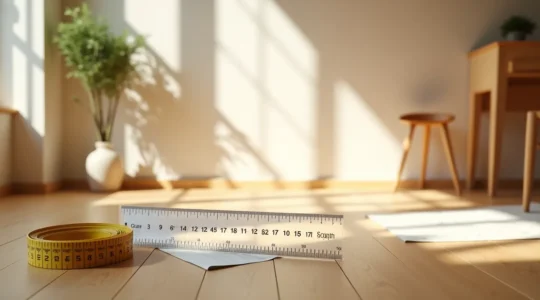
How to Measure Your Child’s Feet at Home With Professional Accuracy
In summary: A child’s foot is mostly soft cartilage, making it extremely vulnerable to deformity from poorly-fitting shoes. The common “thumb test” is flawed; use a clinical three-point check (toe space, width, and heel grip) for an accurate fit. Never…
Read more
Tracking Your Child’s Growth Percentiles: A Pediatrician’s Guide to Ditching the Obsession
The key to tracking your child’s growth isn’t the specific percentile number, but the consistency of their unique growth curve over time. A child’s tendency to follow their established percentile “channel” is the most reliable sign of healthy development. Crossing…
Read more
How to Choose the Right Water Filter for Your Family’s Tap Water
Choosing a water filter isn’t about brand loyalty; it’s a technical risk assessment based on certified performance against specific contaminants. The most effective filter (e.g., Reverse Osmosis) isn’t always best, as it may remove beneficial minerals. Certifications like NSF/ANSI 53…
Read more
How to Boost Your Child’s Immunity Naturally Before Flu Season Starts?
True, lasting immunity isn’t a switch you flip before flu season; it’s a resilient internal ecosystem you cultivate year-round. The gut is your child’s immune command center, housing over 70% of their defensive cells. Whole foods provide nutrients in a…
Read more
Embrace the Rain: A UK Parent’s Guide to Daily Outdoor Play
In summary: Rainy day play isn’t an obstacle; it’s a tool for building a robust immune system through natural exposure to soil microbes. The right gear (a 10,000mm+ waterproof rating) and layering system (no cotton) are non-negotiable for comfort and…
Read more
How to Build a Fun Family Exercise Habit That Actually Sticks
Making family exercise stick isn’t about finding the ‘perfect’ sport or forcing a schedule; it’s about re-engineering movement into a game. Translate gaming mechanics (quests, XP) into real-world adventures to engage resistant kids. Focus on a “Mastery Climate”—praising effort, not…
Read more
How to Ensure Holistic Success for Your Child in a High-Pressure School System?
The relentless pursuit of academic achievement isn’t building success; it’s creating a fragile ‘performance self’ vulnerable to burnout. “Laziness” is often a symptom of chronic cognitive overload, not a character flaw. Emotional and Adaptability Quotients (EQ & AQ) are stronger…
Read more